
Sometimes I watch Schumacher or House & Garden home tours while folding laundry.
I’m not an interior designer, but I’m very interested in space and how we design our homes. I keep thinking about one thing, watching these tours of these beautiful homes.
The difference between US and UK interiors is vast. Even when US designers try to do a UK thing, they can’t seem to pull it off. US rooms are so precious and prissy and perfect. They are stifling.
Why this gulf? I think it has everything to do with death.
Popular American interiors have no depth, no feeling, no history. We want our homes to be as pristine as possible. To an American, a perfect-looking home is the height of fashion. Stuffed with brand-new furniture that has no blemishes, a sad array of impersonal hotel art, and lackluster lighting, we abhor anything that can show time or use. We still love white and gray and beige. We’re afraid of pattern and color. We turn up our noses at antiques and will instead buy a new factory-made coffee table from Wayfair with a faux “distressed” finish.
One of the saddest homes I’ve ever been in is a new-build mansion in [an undisclosed location]. The owner hired an interior decorator, and the whole house, while technically “correct,” feels absolutely lifeless. The furniture is all new. Gray is the predominant tone. The books on the shelves have clearly never been read and were purchased just for show. The art looks like it was bought in bulk online by a project manager. The carpet is white and the views of the pool are enticing, but I feel so uncomfortable and sad in that 5,000-square-foot home. There are entire wings of the house that are never used, doors that are never opened, beds that are never slept in. Everything about this home, which many view as enviable, depresses me.
It’s soul-crushing to be in rooms that have no past.
To illustrate my point, a few photos to compare and contrast.
American rooms devoid of character
Three rooms by popular, oft-mimicked American designers:
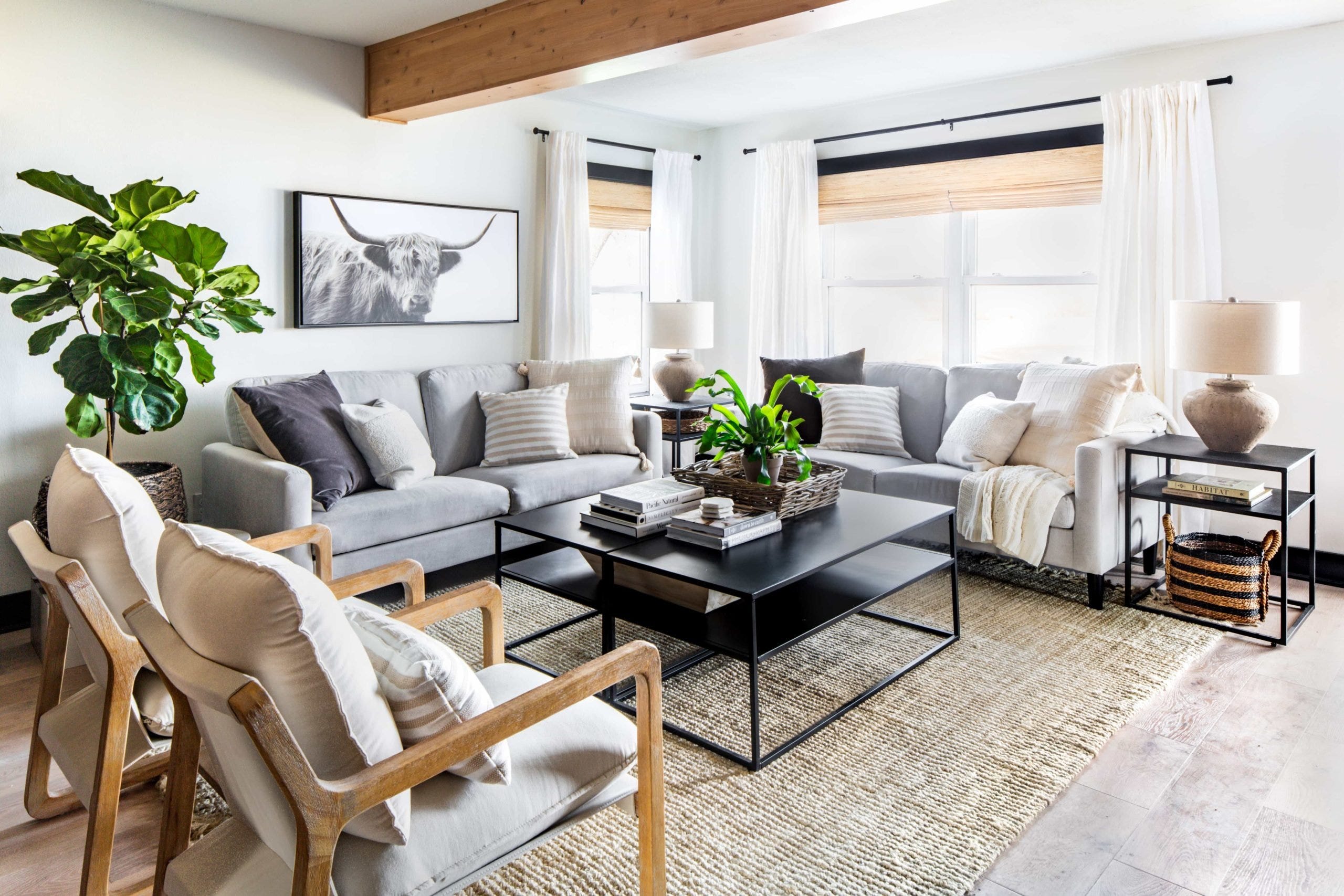
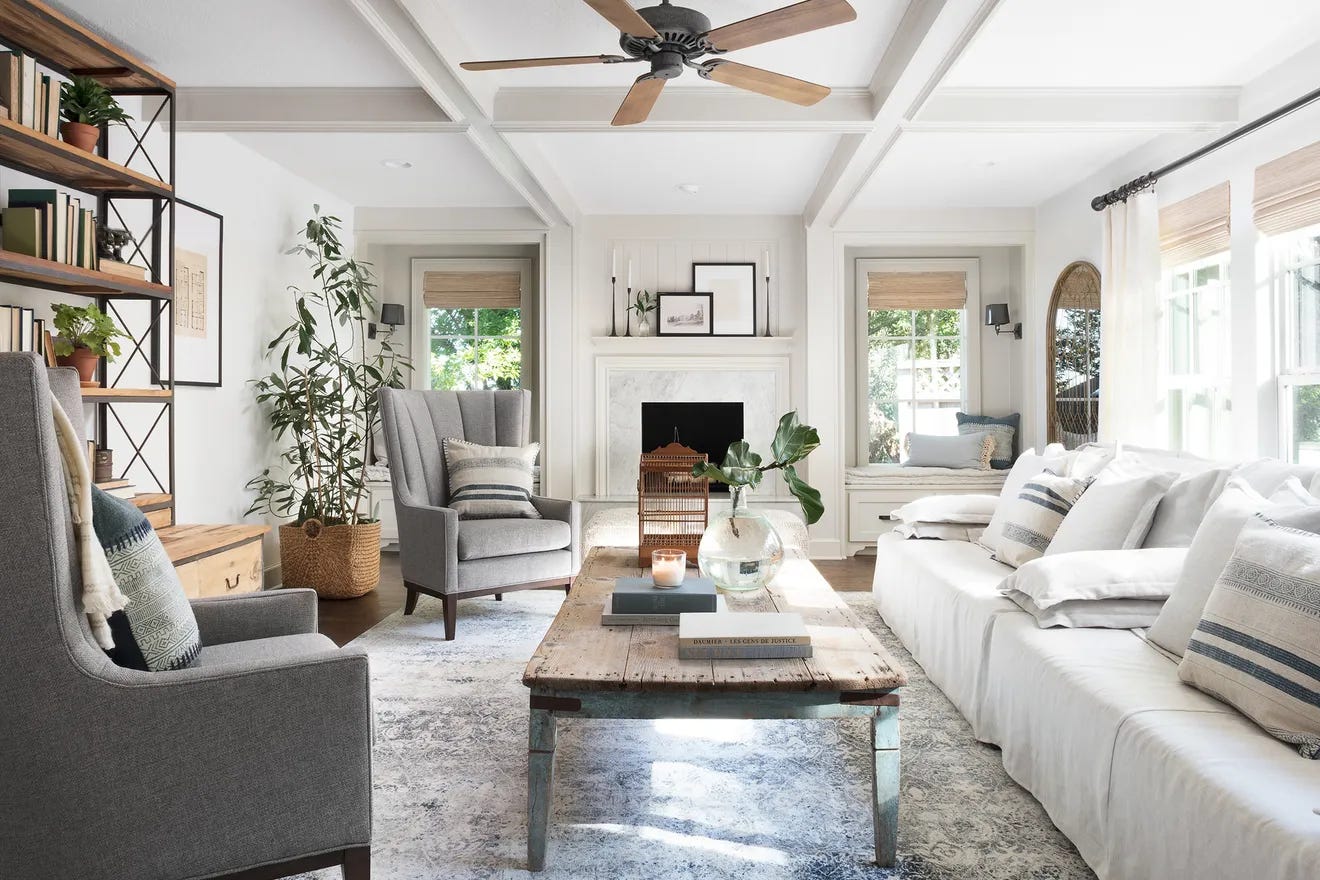
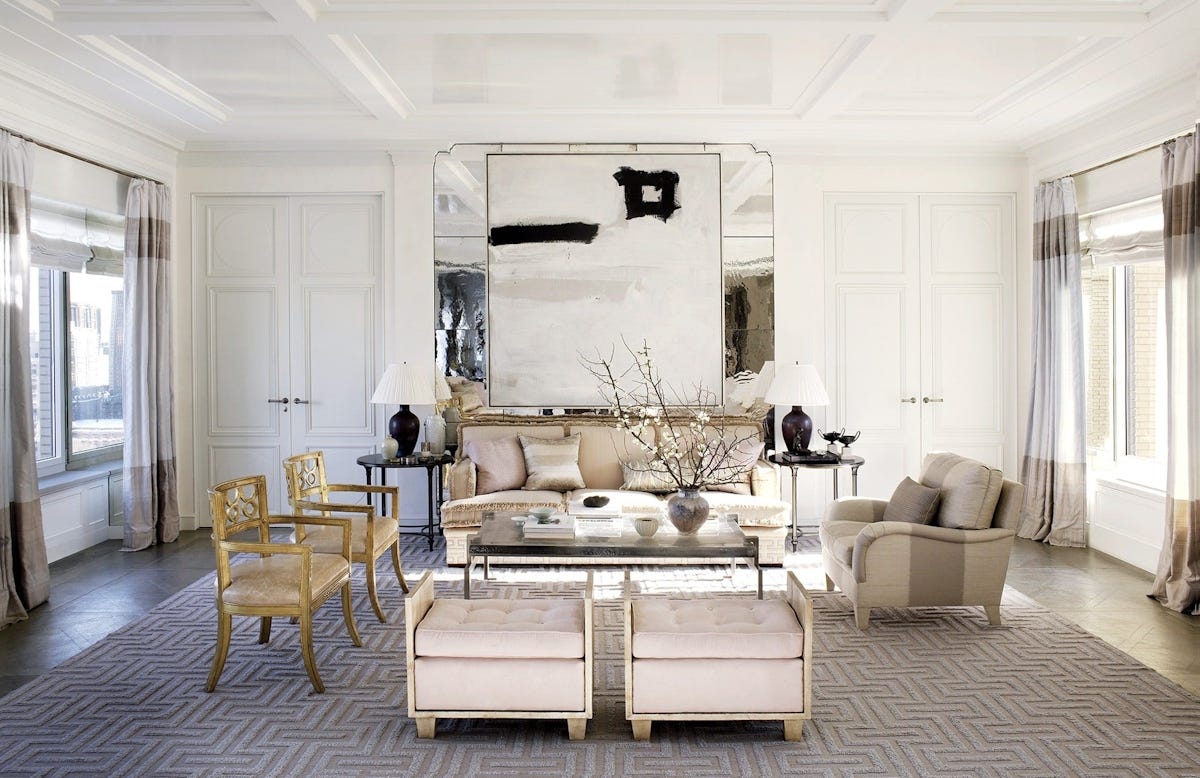
Contrast these antiseptic atmospheres with:
British rooms filled with character
Of course there are many other countries that do this sort of thing well, but my personal taste always hews toward Brits.
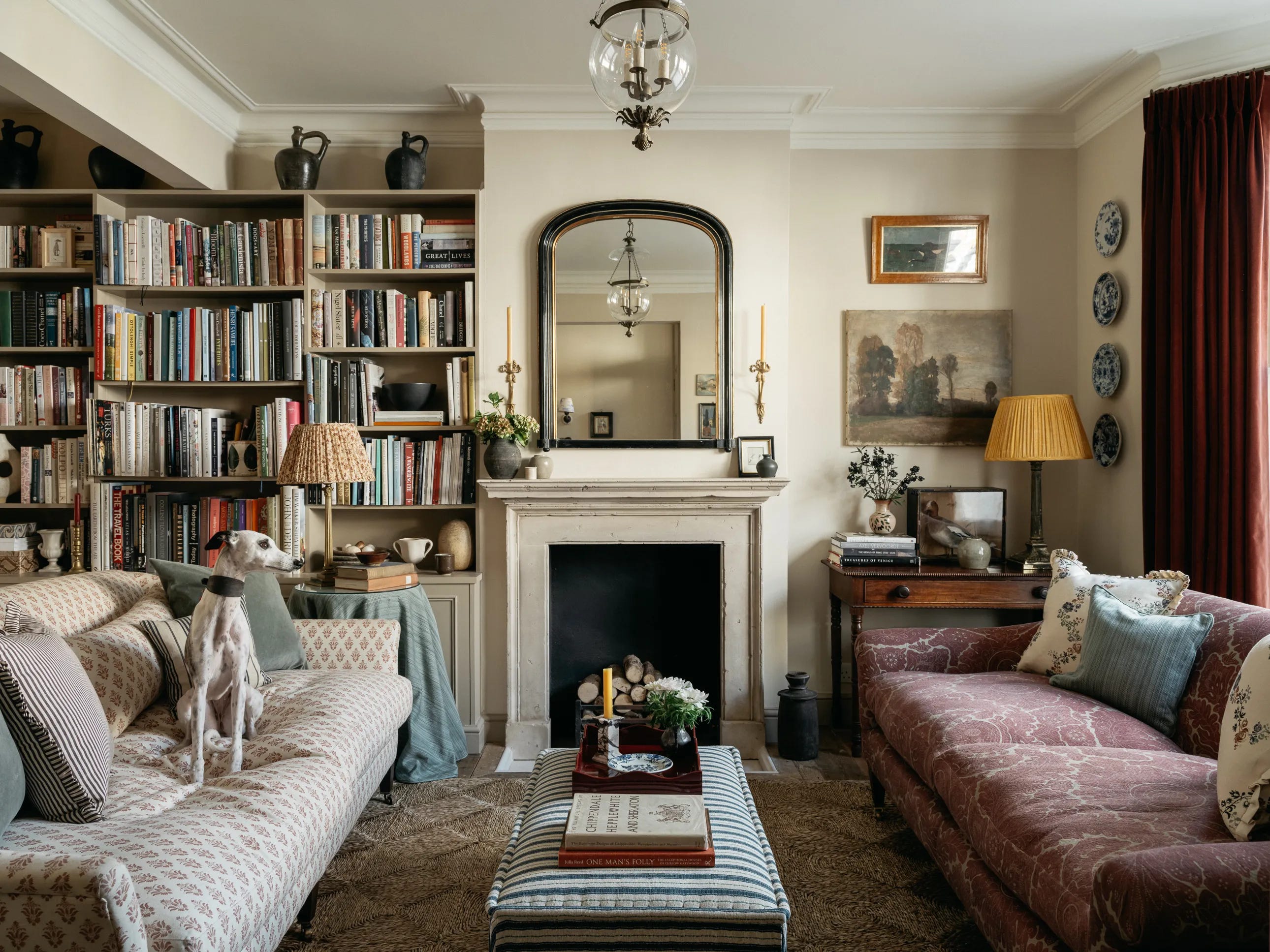
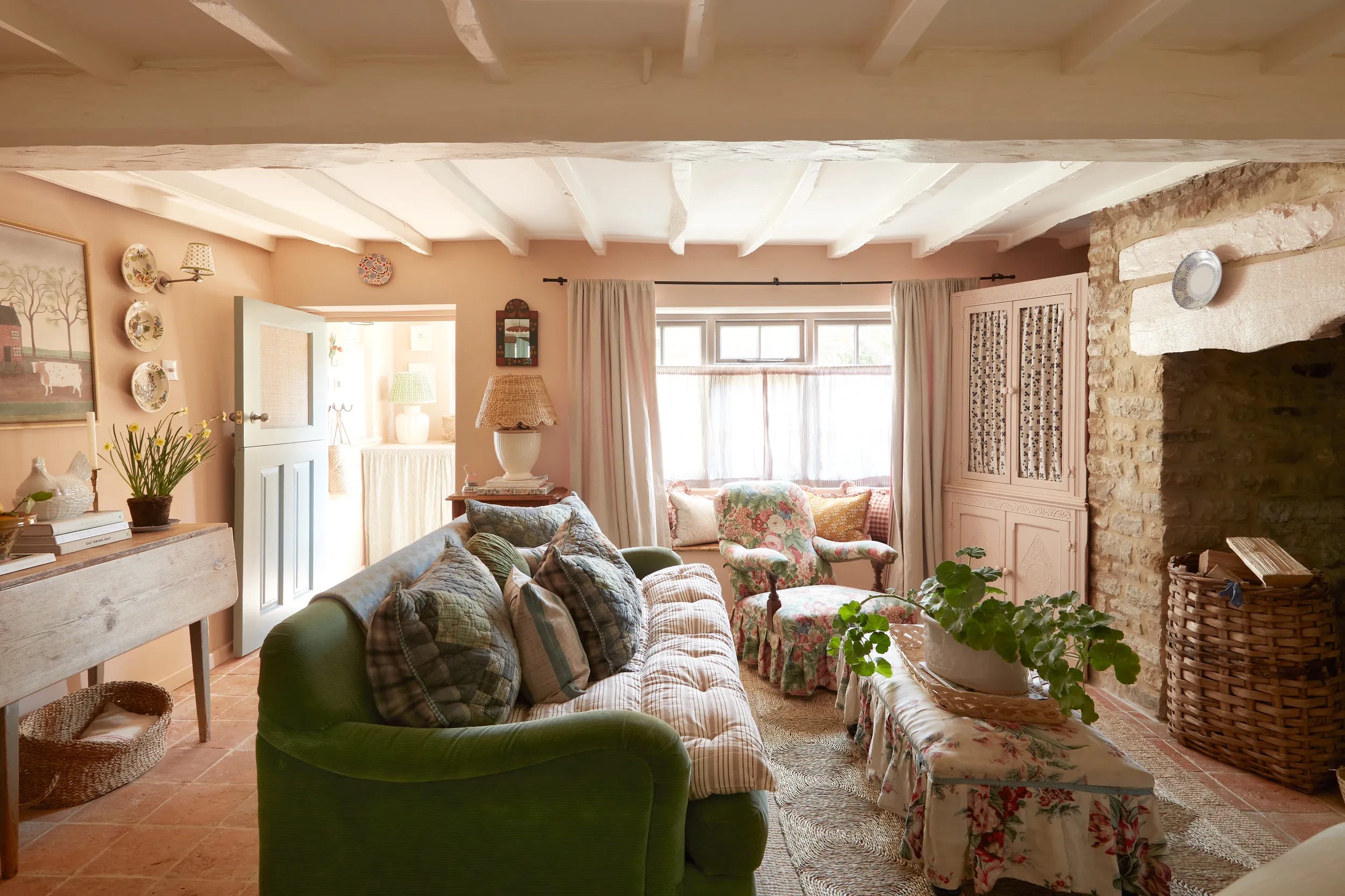
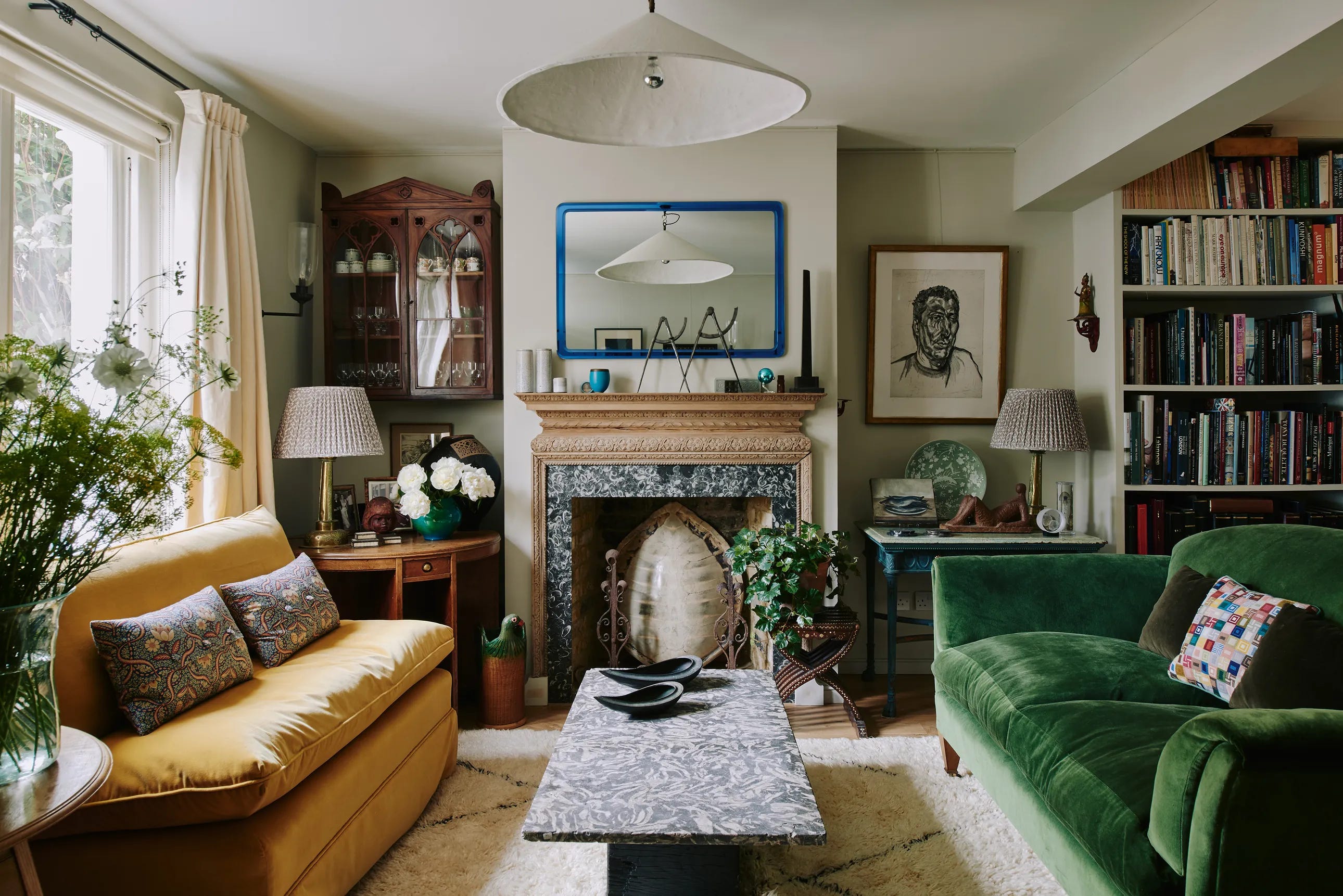
All of this clicked for me when I found this passage from Austrian designer Gregor Eichinger, in his book Touch Me! The Mystery of the Surface (required reading for our trip to Vienna).

Eichinger says:
“We live in an age in which the user invariably wants a perfect world, one that does not age, that remains forever stable, and which produces a gleaming home free of scratches or wrinkles. But the world of architecture conditioned by the handcrafted allows for aging. Indeed, it works with and anticipates the aging process. This is precisely what gives things density and emotionality, and by which the thing we understand as atmosphere is created. Time bestows to rooms and objects the bearing of personal use.”
He connects this desire, so evident in American design, with our fear of death. He continues:
“What can be worse, however, than an entire world that never ages? This impulse originates primarily in a deep-seated fear. I can only truly feel and see myself reflected in surroundings that bear the signs of use. Like living skin, architectural surface is the impression and expression of human needs, moods, and the passage of time of our built environment.”
I can’t bear to be in these popular rooms that have no feeling, that remain preserved like museums and yet have no sense of time, that get changed out as soon as the next trend arrives, that radiate the fear of death.
These white, unfeeling rooms, in which it seems no one has laughed or wept or spilled tea, make me want to sleep it off and wake up somewhere else, preferably in Cornwall or Gloucestershire or Cumbria. Take me to a room that has lived and does not fear the grave!
Related letters


Currently reading
Another Woman, Hannah Bonner
Pathogenesis, Jonathan Kennedy
The Anthropocene Reviewed, John Green
Absolutely love this. We bought a terrible house (terrible only in that it has been unloved for years) built in the 1970s earlier this year, and I am purposely trying to lean away from stark, perfect, white walls and tidy lines and a clear "style." I told my neighbour the other day that my aesthetic is Stuff I Like and Stuff I Have.
I've heard a lot of Americans say they decorate for resale. I decorate for what I like and want. A few imagined dollars when we're ready to sell can't be the driving force when we buy a home to live in, not as a trading card.